The ‘rules’ of Composition
JPEG images are processed by the camera. For example contrast, saturation, sharpness. Which it’s rendered to make a compressed file. The advantages of the JPEG file format include: Smaller file size Editing not always required Non-proprietary format The disadvantages of shooting JPEG include: Loss of quality More limitations during editing
RAW files are uncompressed and unprocessed snapshots of all of the detail available to the camera sensor. The advantages of the RAW file format include: Does not loss the quality or data Greater dynamic range (i.e. colour and tonal information) More flexibility in the editing phase The disadvantages of RAW images include: Larger file size More involved workflow
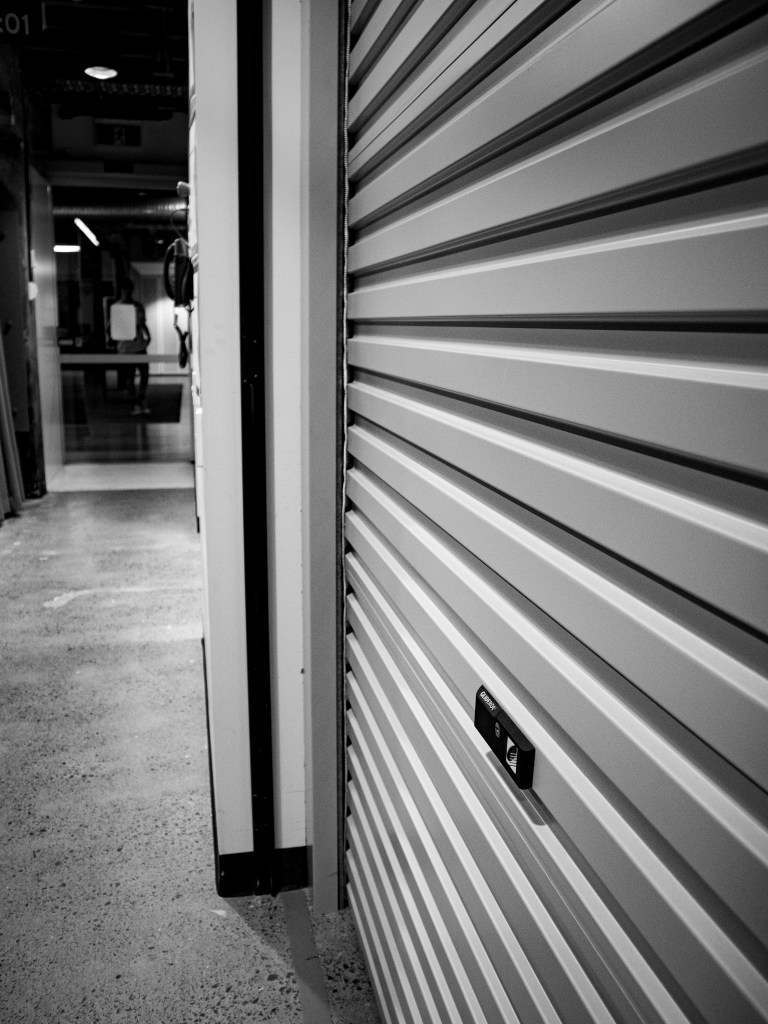
Rule of thirds- an image that was divided into nine equal segments by two vertical and two horizontal lines
I took the photo that was divided in three that is vertical but it’s not evenly divided.
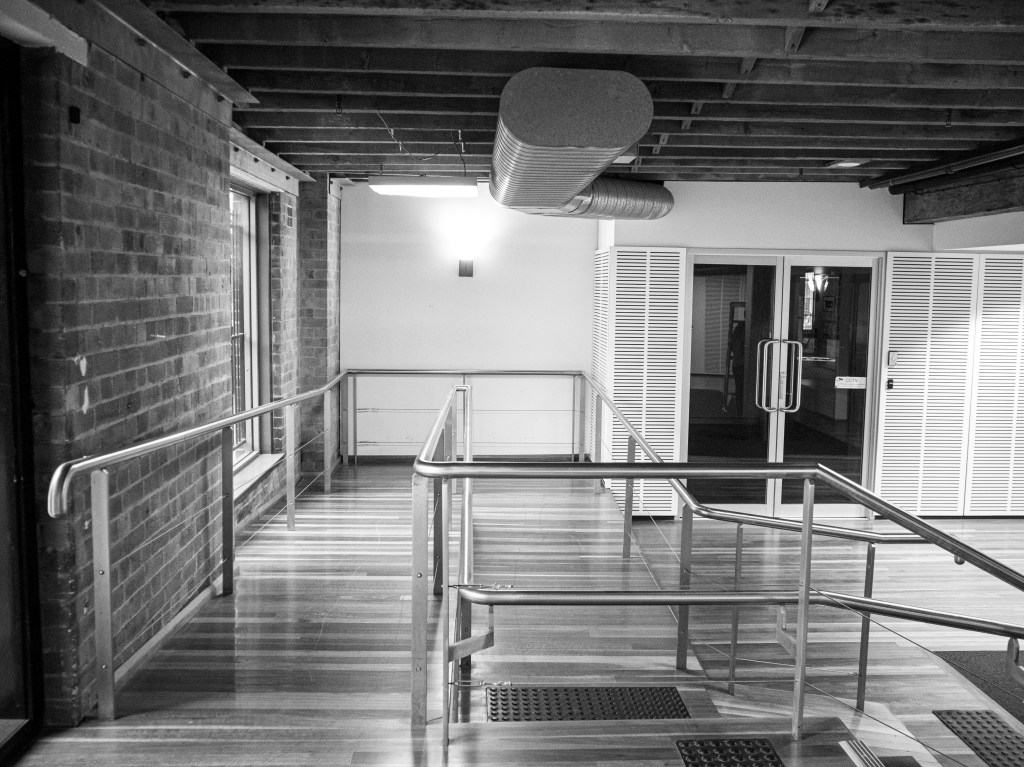
Leading lines- It helps the viewer lead through the image that focus attention on an important elements of many different types of line. E.g straight, diagonal, curvy, zig zag, radial
I find this is interesting when the bar creates a zig zag line that leads us to where we need to focus on.
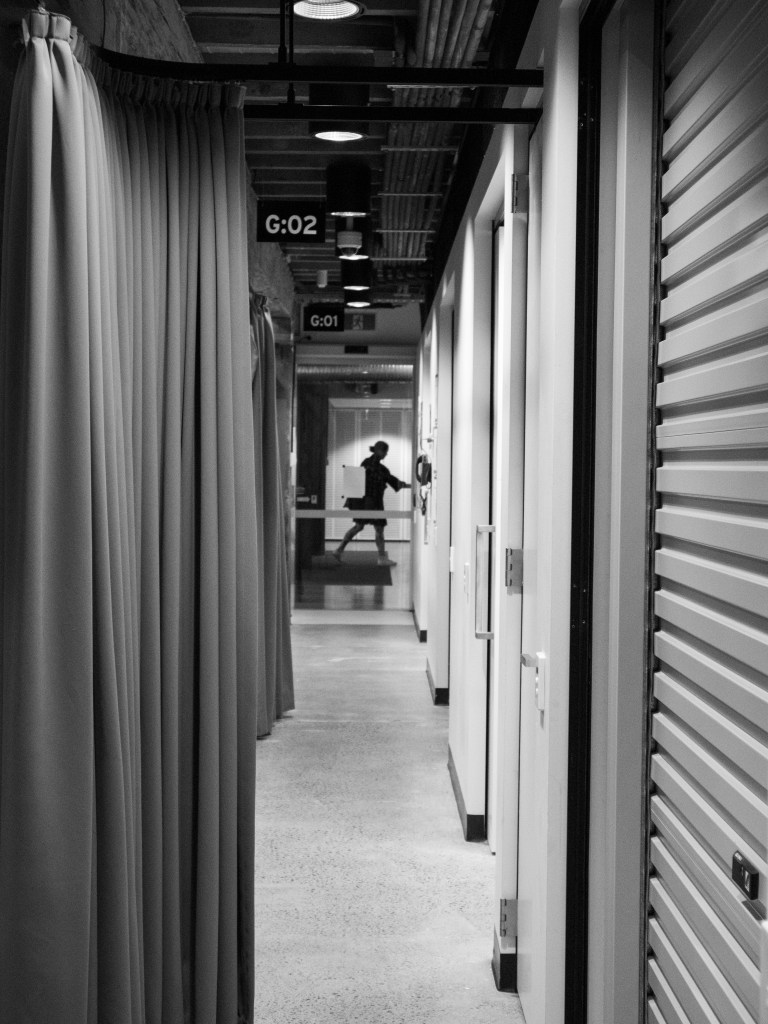
Framing– It’s used to lead the viewer’s eyes into the image by helping them to focus on a particular point.
This photo was a bit challenging because I have to time it right where the person is in the window frame, which this was my favourite photo.
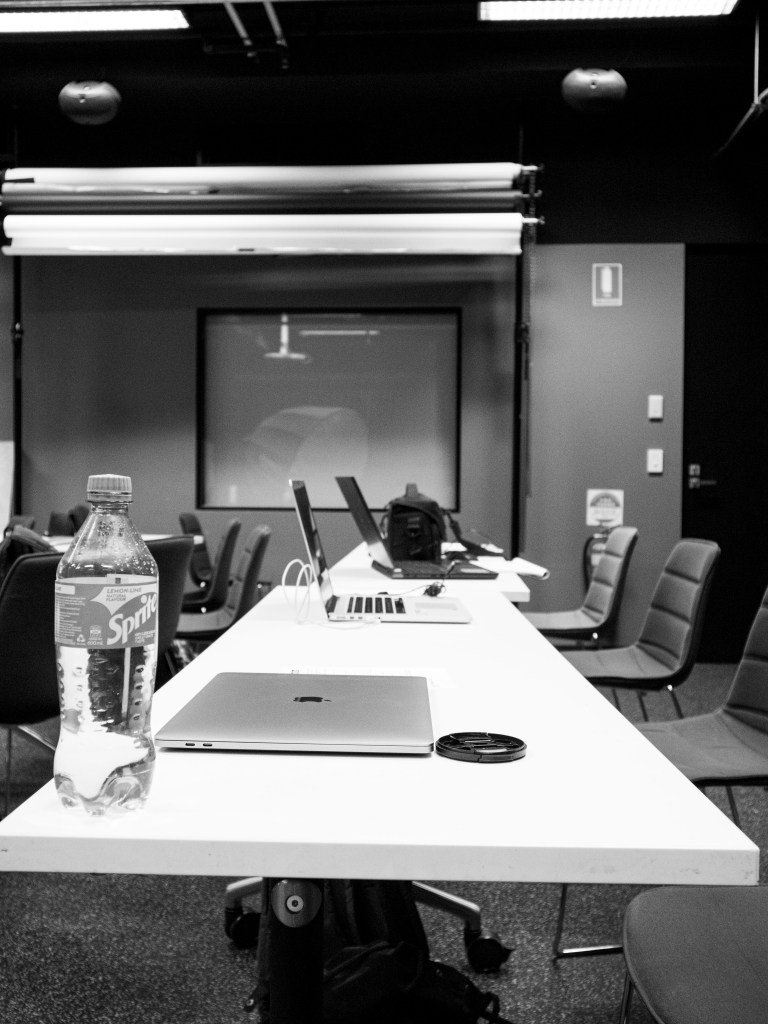
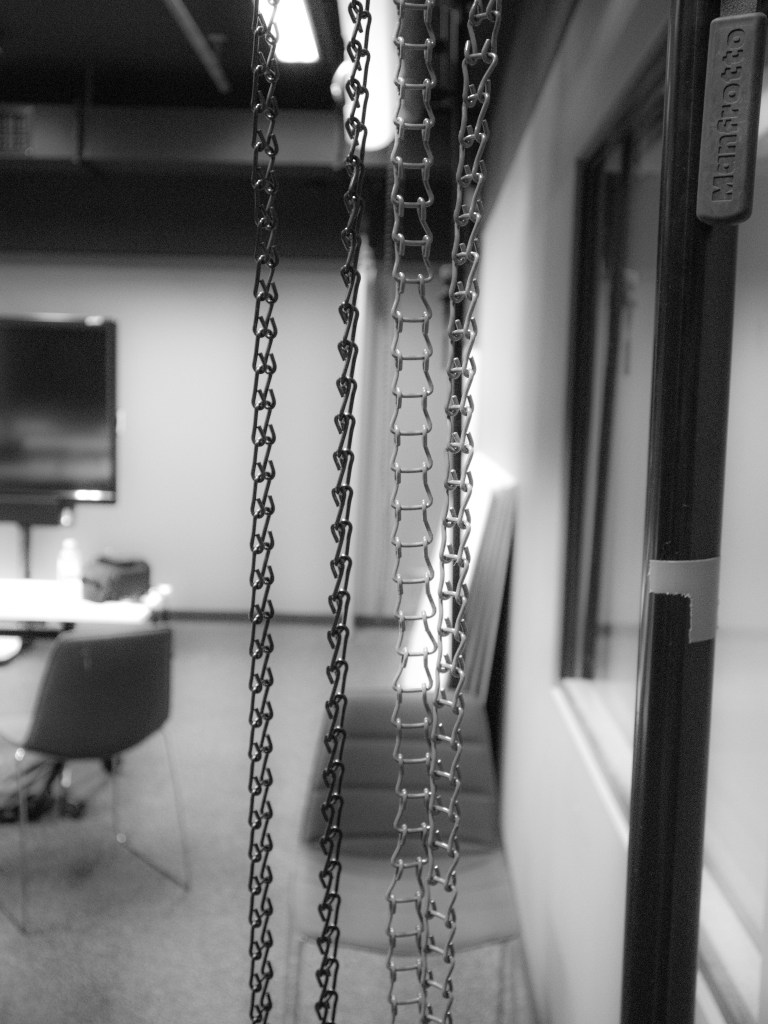
Symmetry– It’s show where one half of an image is identical
I find it’s interesting how symmetry can be easily found through our perspective and the way we hold and take photo.
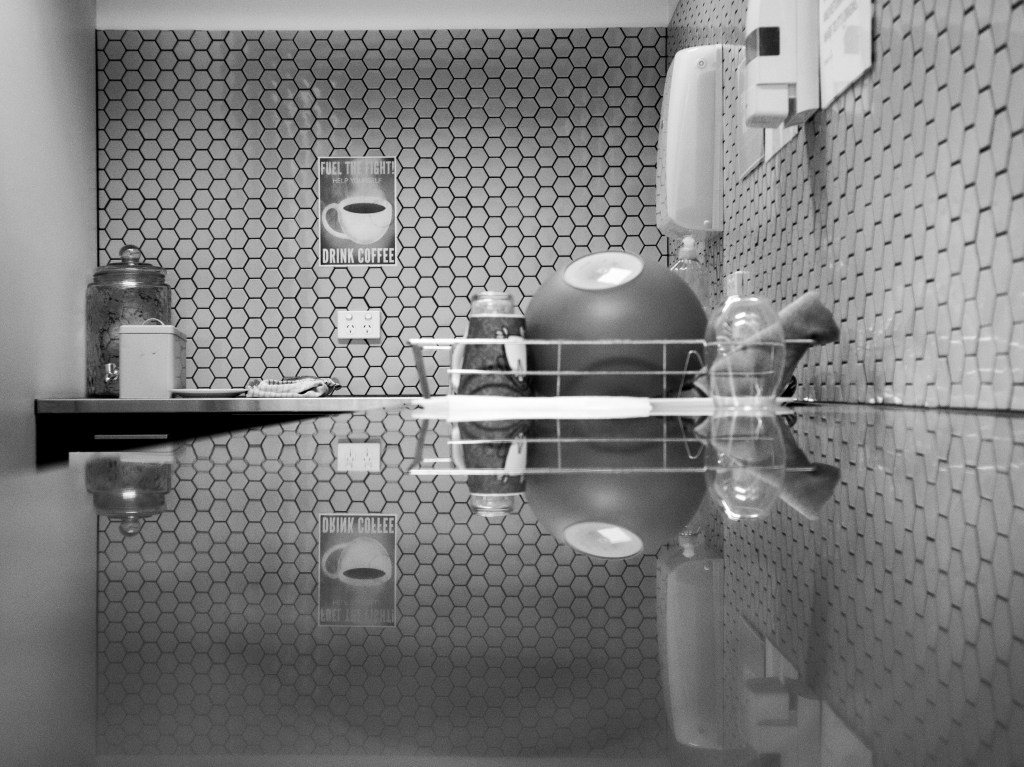
Negative Space– the image helps it to stand out which draws the viewer’s eye towards it.
I find the negative space is a bit trick because I’m not quite sure is that the photo I took is the right or not.
 My Adventure Photo Blog